Justia Lawyer Rating
Maryland Association for Justice
American Association for Justice
Super Lawyers

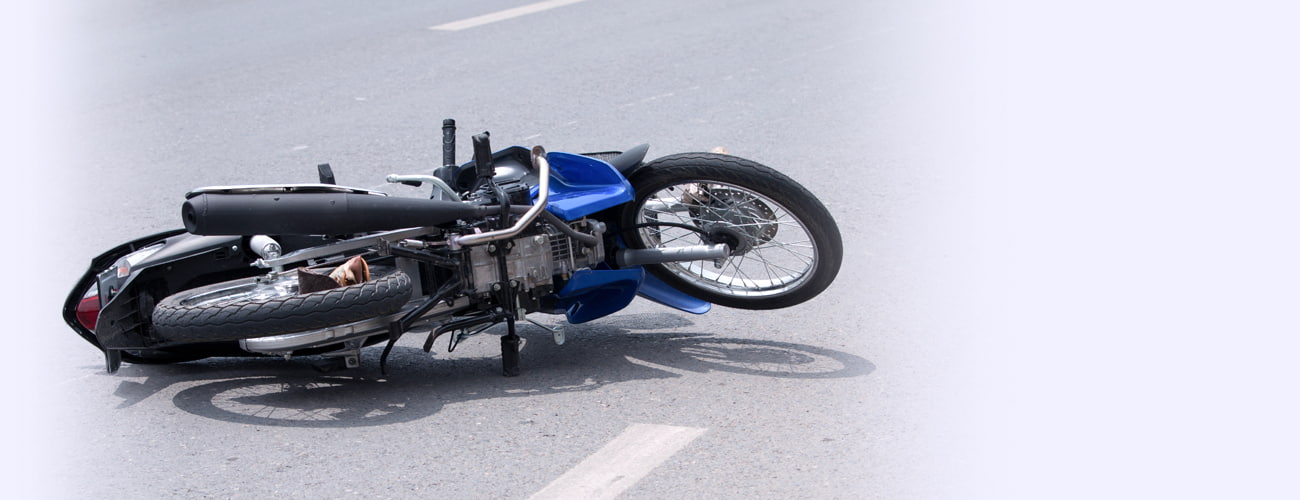
Riding in a group is part of what draws many people to motorcycles. There is visibility in numbers, and there is the simple pleasure of sharing the road with friends. That sense of safety is what makes it so jarring when the danger comes from inside the group itself. Before dawn on June 22, 2026, two motorcyclists were riding together on Norbeck Road in Rockville when their bikes made contact. Both riders lost control. One of them, a 20-year-old man, left the roadway and died at the scene, while the other rider walked away unhurt.

How Close-Formation Riding Turns Risky

Experienced riders hold a staggered formation, with each motorcycle offset in the lane and a cushion of space front to back, precisely so that a small mistake by one rider does not become a crash for another. When that spacing collapses, even slight contact between handlebars, mirrors, or wheels can throw a rider into a wobble that is nearly impossible to recover at speed. Darkness, fatigue, alcohol, and unfamiliar roads all shrink a rider’s margin for error. A bike that drifts a few inches can clip the rider beside it, and motorcyclists have nothing between their bodies and the pavement, curbs, and fixed objects waiting at the edge of the road.

The Legal Questions a Rider-on-Rider Crash Raises

A crash between two members of the same riding group does not fit the usual template of a motorcycle case against a careless car driver. Fault may rest with one rider, with both, or with a road defect or outside vehicle that forced the contact. Maryland follows contributory negligence, a strict rule that can bar recovery for an injured person found even slightly responsible for their own harm, which makes a careful reconstruction of those final seconds critical. When the at-fault rider is a friend, families sometimes hesitate to pursue a claim, not realizing that compensation usually comes from an insurance policy rather than out of a companion’s pocket.

Continue reading ›

If a driver turned left across your path and changed your life, you are not alone, and the blame may not belong where the police report puts it.

Every May, Maryland’s Motor Vehicle Administration opens Motorcycle Safety Awareness Month with a sobering statistic that most riders already feel in their bones. Motorcyclists are only a small share of the people injured on Maryland roads — about 2.4 percent — but they make up nearly 10 percent of all fatal traffic crashes. You ride with less between you and danger than the drivers around you, and the numbers have never let any of us forget it.

Behind that disparity sits a crash pattern that almost every Maryland rider has seen, dreaded, or experienced: the left-turn collision. You are traveling straight through an intersection or down a roadway with the right of way. A driver coming the other direction turns left across your path, often because they did not see you or misjudged your speed. Your bike hits the turning vehicle, and you are thrown. In Southern Maryland this spring, that exact scenario played out in fatal fashion when an SUV failed to yield at a left turn and struck a rider.

Three Maryland riders did not come home in April 2026.

On April 4, a man was thrown from his motorcycle on I-370 in Gaithersburg and pronounced dead at the scene despite aggressive life-saving efforts by Montgomery County Fire and Rescue.

On April 7, a motorcyclist died at the intersection of Manor Road and Connecticut Avenue in Chevy Chase after a crash with a car around 6:14 a.m. The driver of the car was hospitalized with minor injuries.

Ducati’s February 2026 recall report stands out for one reason in particular: it followed an earlier recall campaign. According to the NHTSA filing, Ducati had already launched a prior recall solution in early 2025, but later received a field report of rear brake malfunction after that fix had been applied. The new campaign supersedes the earlier recall.

That makes this a strong motorcycle crash story, not just a product bulletin. When a manufacturer issues a second recall after a first repair effort did not fully solve the problem, riders are left with an unsettling question: what should have happened differently before the motorcycle went back on the road?

For Maryland riders, the answer matters because braking problems on a motorcycle do not leave much room for correction. A driver in a car may have some ability to compensate for a mechanical issue. A rider dealing with reduced or lost rear braking while slowing, cornering, or reacting to traffic can face a far narrower margin for survival.


Motorcycle riders in Prince George’s County face serious risks every time they share the road with cars, trucks, and SUVs on the Capital Beltway, Route 301, and Route 4. When a collision occurs, the motorcyclist almost always suffers the worst injuries — broken bones, road rash, traumatic brain injuries, and spinal cord damage are common outcomes. Maryland law provides a path to compensation for injured riders, but the state’s contributory negligence rule creates an obstacle that other states do not impose. Lebowitz & Mzhen Personal Injury Lawyers has represented motorcycle accident victims across Prince George’s County and throughout Maryland for nearly 30 years, recovering over $90 million for injured clients.

What Are the Most Common Causes of Motorcycle Accidents in Prince George’s County?

Most motorcycle accidents in Maryland are caused by the negligence of another driver rather than the rider. The most frequent causes of motorcycle crashes in Prince George’s County include left-turn collisions where a car turns into an oncoming motorcycle, rear-end collisions at intersections, lane-change accidents where a driver fails to check blind spots, dooring incidents in urban areas like Hyattsville and College Park, and road hazard crashes caused by potholes, debris, or uneven pavement.

An early-morning crash involving a left turn can turn deadly in seconds, especially when a motorcycle is involved. In a report out of Texas, police said a car traveling south tried to turn left into a parking lot while a motorcycle traveled northbound, and the collision threw the rider from the bike. The motorcyclist later died from his injuries, and police said the investigation remains ongoing.

This happened outside Maryland, but the crash pattern is familiar on Maryland roads. Left-turn collisions are one of the most common ways drivers and riders get seriously hurt, and families often end up dealing with grief while also trying to understand who was at fault and how insurance handles a loss like this.

Why Left Turns Cause So Many Serious Crashes

Motorcycle crashes often start with the same sentence from the driver of the other vehicle: I did not see the motorcycle. For riders and families, that explanation can feel hollow, especially when injuries are severe. In Maryland and Washington, D.C., failure-to-see crashes are among the most common and most dangerous types of motorcycle collisions, and they are rarely as unavoidable as they first sound.

In many cases, visibility was not the real problem. Attention, speed, and decision-making usually play a much larger role. Understanding how these crashes happen helps riders and families see how responsibility is evaluated and why insurance companies often push back.

Why Failure To See Crashes Are So Common With Motorcycles

More Maryland riders use GoPros and other helmet cameras every year. Those small devices do more than capture scenery on weekend rides. When a collision occurs, the footage can become some of the most important evidence in a motorcycle injury claim, especially in contested left-turn and rear-end crashes. Clear video helps cut through bias against riders, shows exactly how traffic moved, and gives experts raw data to analyze speed, braking, and impact angles.

An engineering firm, Knott Laboratory, describes a reconstruction in which a helmet-mounted action camera captured the moments leading up to a motorcycle crash. Investigators relied on that recording to understand what each vehicle did and to evaluate fault. That same kind of footage can transform how a Maryland jury or insurance adjuster views a case involving serious injuries.

<strong> How Can Helmet-Cam Video Changes Liability Fights In Motorcycle Cases</strong>

Motorcyclists often face unfair assumptions. People who have never ridden sometimes think bikes always move too fast or dart through traffic without regard for safety. Those stereotypes hurt injury claims when a crash happens at an intersection or in heavy traffic. Helmet cameras help replace opinion with proof.

Motorcycle crashes in Maryland can happen in an instant and often cause devastating injuries. Riders face unique risks on the road, from inattentive drivers to poorly maintained highways. When another motorist’s carelessness causes an accident, you have the right to seek compensation for your injuries and losses. The attorneys at Lebowitz & Mzhen can help you understand your rights, preserve vital evidence, and pursue fair recovery for your damages.

How Do Motorcycle Accidents Happen in Maryland?

Motorcycles make up a small fraction of vehicles on the road, yet riders represent a disproportionate share of serious injury and fatal crash victims. Most accidents occur because another driver fails to see the motorcycle or misjudges its speed and distance. Some of the most common causes include:

  • Left-turn collisions at intersections, where a driver turns in front of an oncoming motorcycle.

Motorcycle accidents in Maryland often result in catastrophic injuries. Riders have far less protection than drivers in passenger vehicles, which means even minor crashes can lead to serious harm. If you or someone close to you has been injured in a motorcycle collision, it is important to understand how liability works in Maryland and what steps you can take to recover compensation. Speaking with an attorney early can protect your rights and improve your ability to pursue a strong claim.

Why Motorcycle Accidents in Maryland Are So Severe

Motorcycles are less visible to other drivers and more vulnerable to dangerous road conditions. A sudden lane change on the Beltway or a distracted driver turning left on a Baltimore side street can instantly change a rider’s life. Maryland roads also present hazards like uneven pavement, construction zones, and debris that pose far greater risks to motorcycles than to cars or trucks.

When an accident occurs, injuries are often severe. Riders may face broken bones, traumatic brain injuries, or permanent disability. These outcomes not only bring physical and emotional challenges but also impose financial burdens that can last for years.

Continue reading ›

Contact Information