 Maryland Motorcycle Accident Lawyer Blog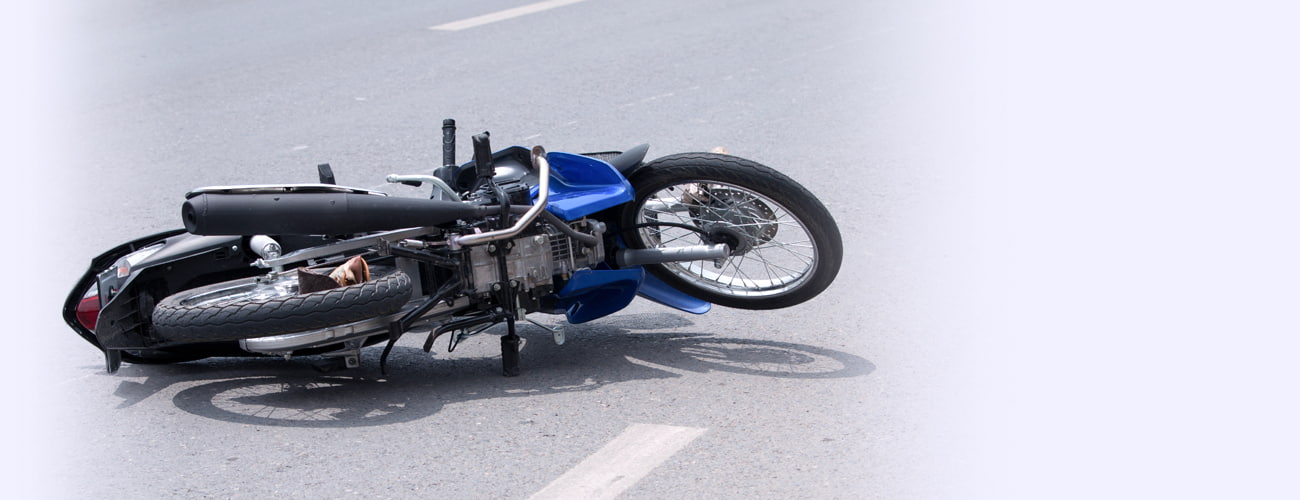






Doing the right thing doesn’t always mean that you will avoid serious problems in your life. Motorcycle riders, like many people who engage in risky sports or hobbies understand that a traffic accident may be just moments away or around the next bend; or even waiting for them at the next busy intersection. As Maryland auto accident lawyers and personal injury attorneys, I and my staff know how serious a bike accident can be when a motorcycle is struck by a car or commercial truck; the rider is almost always the one to suffer.
Whether one rides a Harley-Davidson, Honda or Yamaha here in Baltimore or in Rockville, Gaithersburg or the District, the chances of a serious or fatal biking accident are always there. While experience and time on the road may help some riders to anticipate a crash situation or avoid areas that present excessive risk for motorcycle, scooter, or moped, fate itself can be a harsh mistress.
And the aftermath can sometimes be worse than the original roadway collision that sends the victim to the hospital in the first place. Medical treatment, physical therapy and weeks or months of recovery time can drain a family’s resources. Taking the victim out of the workforce for an extended period can result in lost wages, which are only compounded by extensive medical bills and hospital costs.